
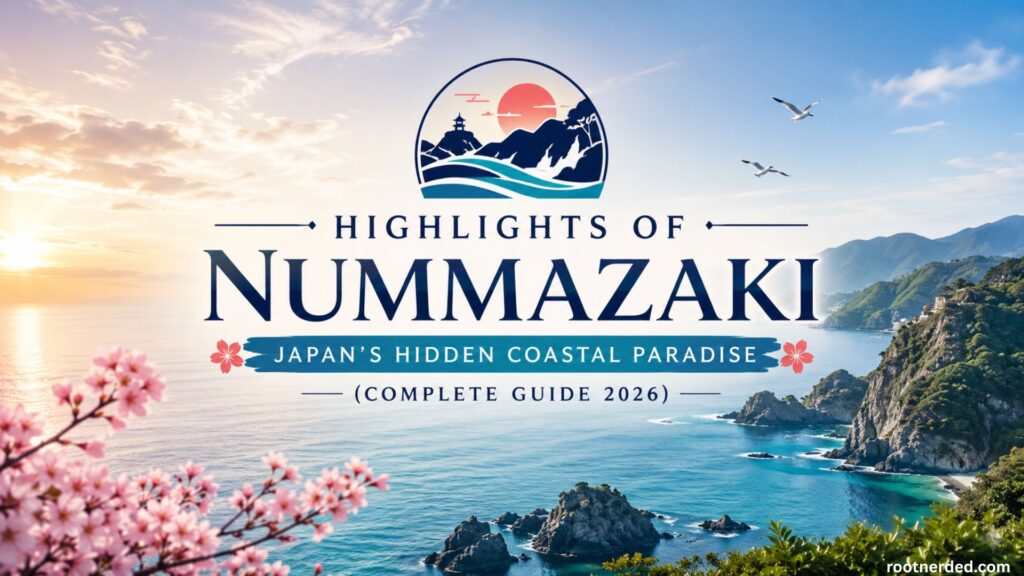
Highlights Of Nummazaki
Japan is famous for Tokyo’s neon streets, Kyoto’s temples, and Hokkaido’s mountains. Yet some of the country’s most memorable experiences lie far from the usual tourist trail. Nummazaki is one of those places.
Nestled along the stunning coastline near Suruga Bay, Nummazaki offers dramatic ocean views, rich marine life, fresh seafood, traditional fishing culture, and peaceful landscapes that many international travelers never discover.
Unlike crowded tourist destinations, Nummazaki rewards visitors with authentic coastal Japan. Here, you can watch fishing boats return at sunrise, walk along rugged shorelines, enjoy seafood caught the same day, and admire views of Mount Fuji on clear mornings.
This complete guide covers everything you need to know about Nummazaki in 2026.
What Is Nummazaki? A Quick Overview
Nummazaki is a coastal area associated with the scenic shoreline of Japan’s Shizuoka region, overlooking the magnificent Suruga Bay.
The area is known for:
- Coastal cliffs
- Ocean viewpoints
- Traditional fishing communities
- Marine biodiversity
- Fresh seafood cuisine
- Outdoor recreation
- Access to nearby Mount Fuji views
While many travelers focus on larger destinations, Nummazaki offers a slower pace and a more immersive experience of coastal Japanese life.
Quick Facts About Nummazaki
| Feature | Details |
|---|---|
| Region | Shizuoka Prefecture |
| Nearby Water Body | Suruga Bay |
| Best Known For | Coastal scenery and seafood |
| Popular Activities | Hiking, fishing, diving, photography |
| Best Time to Visit | Spring and autumn |
| Ideal Trip Length | 1–3 days |
Why Nummazaki Is One of Japan’s Most Underrated Coastal Destinations
Many coastal destinations become victims of their own popularity. Nummazaki has largely escaped that fate.
Visitors often describe the area as peaceful, authentic, and remarkably scenic.
What Makes Nummazaki Different?
Natural beauty remains untouched.
Large resorts and commercial developments have not overwhelmed the coastline.
The seafood is exceptionally fresh.
Fishing remains a vital part of local life.
The scenery changes throughout the year.
Each season creates a completely different atmosphere.
Crowds are minimal.
Even during busy travel periods, many spots remain surprisingly quiet.
“The best places are often the ones not listed on every tourist brochure.”
Nummazaki perfectly fits that description.
The Natural Highlights of Nummazaki
The landscape is the star attraction.
Rocky shores, forested coastal areas, deep blue waters, and sweeping ocean views combine to create one of Japan’s most impressive coastal environments.
Rugged Coastal Cliffs
The coastline features dramatic formations shaped by centuries of wind, waves, and geological activity.
Visitors can observe:
- Rocky headlands
- Natural sea-carved formations
- Elevated viewpoints
- Coastal forests
Panoramic Ocean Views
Several lookout points provide uninterrupted views across Suruga Bay.
On clear days, the horizon seems endless.
Photographers particularly appreciate the changing light during sunrise and sunset.
Geological Significance
The region sits within one of Japan’s most geologically active areas.
Volcanic forces, tectonic movement, and ocean erosion have shaped the landscape over thousands of years.
This geological history contributes to the unique character of Nummazaki.
Suruga Bay: The Natural Wonder Beside Nummazaki
No discussion about Nummazaki is complete without mentioning Suruga Bay.
Why Suruga Bay Is Special
Suruga Bay is the deepest bay in Japan.
Its maximum depth exceeds 2,500 meters (8,200 feet).
This extraordinary depth creates a unique marine environment.
Marine Biodiversity
Because deep ocean waters lie close to shore, Suruga Bay supports remarkable biodiversity.
Species found in the area include:
- Tuna
- Mackerel
- Squid
- Sea bream
- Various deep-sea fish
This abundance directly influences local cuisine and fishing traditions.
Scenic Bay Views
Many observation points around Nummazaki offer breathtaking views of the bay.
During calm weather, the water reflects the sky like polished glass.
Best Scenic Spots in and Around Nummazaki
Cape Ose (Osezaki)
Cape Ose is among the region’s most recognizable landmarks.
Visitors come for:
- Ocean panoramas
- Coastal walks
- Photography opportunities
- Views of Mount Fuji
The cape extends dramatically into Suruga Bay and provides some of the area’s most iconic scenery.
Senbon Matsubara Pine Grove
This historic pine forest stretches along the coast and creates a striking contrast between green trees and blue ocean waters.
Highlights include:
- Walking trails
- Seasonal scenery
- Cultural importance
- Fuji viewpoints
Coastal Observation Areas
Numerous lesser-known lookout points provide peaceful places to enjoy the scenery.
Many visitors find these hidden spots more memorable than famous attractions because they offer solitude and uninterrupted views.
Marine Life and Underwater Attractions
The waters around Nummazaki attract divers from across Japan.
Why Divers Visit
The combination of deep water and healthy marine ecosystems creates excellent diving conditions.
Common underwater sights include:
- Schools of fish
- Colorful marine habitats
- Unique underwater terrain
- Seasonal species migrations
Snorkeling Opportunities
During warmer months, snorkeling becomes popular among visitors.
Clear water conditions often provide excellent visibility.
Seasonal Marine Encounters
Different seasons bring different wildlife.
Visitors may encounter:
| Season | Marine Highlights |
|---|---|
| Spring | Active fish populations |
| Summer | Warm water conditions |
| Autumn | Excellent visibility |
| Winter | Deep-water species sightings |
Outdoor Activities and Adventures
Adventure seekers will find plenty to enjoy in Nummazaki.
Coastal Hiking
Trails wind through scenic areas overlooking the sea.
Popular features include:
- Cliff-top paths
- Forest sections
- Bay viewpoints
- Wildlife observation
Cycling Routes
Cyclists enjoy quiet roads and scenic coastal stretches.
The combination of ocean views and rural landscapes creates a rewarding experience.
Kayaking
Paddling along the coastline offers a completely different perspective.
You can explore hidden coves and appreciate geological formations from sea level.
Recreational Fishing
Fishing remains one of the most authentic experiences available.
Many local operators offer guided fishing trips.
Local Fishing Culture and Coastal Heritage
Fishing is woven into the identity of Nummazaki.
Early mornings reveal fishing boats leaving harbor before sunrise.
By afternoon, local markets display freshly caught seafood.
Traditional Fishing Practices
Several generations often work together in local fishing communities.
Knowledge passes from grandparents to children through hands-on experience.
Daily Life in Coastal Villages
Visitors frequently notice:
- Small harbors
- Working fishing boats
- Traditional homes
- Family-run businesses
These elements preserve the area’s authentic character.
Shrines, Temples, and Cultural Sites Near Nummazaki
Japan’s coastline often carries deep spiritual significance.
Nummazaki is no exception.
Seaside Shrines
Many shrines historically served fishing communities.
People prayed for:
- Safe voyages
- Good catches
- Protection from storms
Traditional Architecture
Visitors can admire:
- Wooden structures
- Historic gates
- Stone pathways
- Coastal religious landmarks
These sites provide insight into centuries of local history.
Fresh Seafood: A Major Highlight of Nummazaki
Food lovers often consider seafood the greatest attraction.
Why the Seafood Is Exceptional
Several factors contribute to quality:
- Deep nearby waters
- Diverse fish populations
- Daily catches
- Strong fishing traditions
Seafood Specialties
Popular dishes include:
- Fresh sashimi
- Grilled fish
- Seafood rice bowls
- Seasonal shellfish dishes
Typical Coastal Meal
| Course | Example |
|---|---|
| Starter | Seasonal seafood appetizer |
| Main | Fresh sashimi platter |
| Side | Local vegetables |
| Soup | Miso soup |
| Dessert | Seasonal fruit |
The simplicity allows ingredient quality to shine.
Local Food Beyond Seafood
Although seafood dominates local cuisine, other specialties deserve attention.
Regional Produce
The surrounding region supports agriculture that complements coastal cuisine.
Common products include:
- Citrus fruits
- Green tea
- Seasonal vegetables
Traditional Snacks
Visitors can often find locally produced sweets inspired by regional ingredients.
These foods offer a deeper understanding of local culture.
Best Beaches and Waterfront Areas
Not every traveler seeks adventure.
Some simply want a peaceful place to relax.
Quiet Beaches
Several coastal areas remain uncrowded even during peak travel seasons.
Family-Friendly Areas
Calmer waterfront sections are suitable for families and casual visitors.
Photography-Friendly Locations
The combination of sea, mountains, and changing weather creates excellent photographic opportunities throughout the year.
Hot Springs and Wellness Experiences
After a day exploring the coast, many visitors enjoy nearby onsen experiences.
Why Onsen Complements Coastal Travel
The combination works perfectly:
- Active outdoor exploration
- Relaxing mineral-rich baths
- Scenic surroundings
- Traditional hospitality
Wellness Benefits
Travelers appreciate:
- Stress reduction
- Relaxation
- Scenic environments
- Cultural immersion
Onsen culture remains one of Japan’s most cherished traditions.
Best Time to Visit Nummazaki
Each season offers unique advantages.
Spring
Spring brings comfortable temperatures and vibrant natural scenery.
Best for: Hiking and sightseeing.
Summer
Summer offers warmer waters and outdoor activities.
Best for: Snorkeling and kayaking.
Autumn
Autumn combines mild temperatures with clear skies.
Best for: Photography and cycling.
Winter
Winter often provides the clearest Mount Fuji views.
Best for: Scenic photography and seafood.
Seasonal Comparison
| Season | Weather | Crowds | Recommended Activities |
|---|---|---|---|
| Spring | Mild | Moderate | Hiking, sightseeing |
| Summer | Warm | Higher | Water sports |
| Autumn | Comfortable | Moderate | Photography, cycling |
| Winter | Cool | Low | Fuji views, seafood |
How to Get to Nummazaki
From Tokyo
Travelers can use the Shinkansen to reach Shizuoka Prefecture quickly.
From there, local transportation connects visitors to coastal areas.
From Osaka and Kyoto
High-speed rail services provide efficient access.
Travel times vary depending on connections and final destinations.
Should You Rent a Car?
For maximum flexibility, a rental car is highly recommended.
Benefits include:
- Easier access to viewpoints
- Flexible schedules
- Ability to explore hidden locations
However, public transportation can still support many itineraries.
Getting Around the Area
Public Transportation
Local buses serve major areas.
Walking
Many attractions are accessible on foot once you arrive.
Cycling
Bicycle rentals provide an enjoyable alternative.
Rental Cars
Travelers seeking complete freedom often prefer driving.
Where to Stay Near Nummazaki
Accommodation options cater to various budgets.
Traditional Ryokan
These inns provide:
- Tatami rooms
- Japanese hospitality
- Local cuisine
- Cultural immersion
Seaside Hotels
Ideal for visitors prioritizing comfort and ocean views.
Budget Guesthouses
Affordable options exist for independent travelers.
Accommodation Comparison
| Type | Best For | Budget |
|---|---|---|
| Ryokan | Cultural experiences | Moderate to High |
| Hotel | Convenience | Moderate |
| Guesthouse | Budget travelers | Low |
| Resort | Luxury stays | High |
Suggested Nummazaki Itineraries
One-Day Itinerary
Morning
- Explore coastal viewpoints
- Visit Cape Ose
Afternoon
- Enjoy seafood lunch
- Walk scenic coastal trails
Evening
- Watch sunset over Suruga Bay
- Relax in an onsen
Two-Day Itinerary
Day One
- Scenic attractions
- Local culture
- Seafood dining
Day Two
- Hiking
- Photography
- Village exploration
Three-Day Slow Travel Experience
A longer stay allows deeper exploration of:
- Fishing communities
- Local cuisine
- Hidden viewpoints
- Coastal culture
Photography Guide to Nummazaki
Photography enthusiasts often consider Nummazaki a hidden treasure.
Best Sunrise Locations
Eastern-facing viewpoints provide dramatic morning light.
Best Sunset Locations
Coastal cliffs create stunning silhouettes.
Mount Fuji Photography
Winter and early morning hours often provide the clearest visibility.
Useful Photography Tips
- Arrive early
- Bring a tripod
- Check weather forecasts
- Explore lesser-known viewpoints
Responsible and Sustainable Travel
Protecting the environment ensures future generations can enjoy Nummazaki.
Travel Responsibly
- Stay on designated trails
- Avoid disturbing wildlife
- Reduce plastic waste
- Respect local communities
Support Local Businesses
Choosing local restaurants and accommodations helps sustain the regional economy.
Small actions create meaningful impacts.
Common Travel Mistakes to Avoid
Many visitors can improve their experience by avoiding common errors.
Not Checking Weather Conditions
Coastal weather changes quickly.
Rushing the Visit
Nummazaki rewards slow exploration.
Ignoring Transportation Planning
Research local schedules beforehand.
Missing Seasonal Highlights
Every season offers something unique.
Is Nummazaki Worth Visiting?
Absolutely.
Nummazaki combines many qualities travelers seek:
- Natural beauty
- Authentic culture
- Fresh seafood
- Outdoor recreation
- Peaceful atmosphere
Unlike heavily visited destinations, it still feels genuine.
For travelers seeking a deeper connection with coastal Japan, Nummazaki delivers an unforgettable experience.
Frequently Asked Questions
What is Nummazaki known for?
Nummazaki is known for coastal scenery, Suruga Bay views, seafood, marine biodiversity, and traditional fishing culture.
Is Nummazaki worth visiting in 2026?
Yes. It remains one of Japan’s most underrated coastal destinations with excellent natural and cultural attractions.
How many days do you need in Nummazaki?
One day covers major highlights. Two to three days allows a more immersive experience.
Can you visit Nummazaki without a car?
Yes, though a rental car offers greater flexibility and access to remote viewpoints.
Is Nummazaki family-friendly?
Yes. Many waterfront areas, scenic walks, and cultural attractions suit families.
When is the best time to see Mount Fuji from Nummazaki?
Winter and clear autumn mornings typically provide the best visibility.
Is Nummazaki expensive to visit?
Costs vary, but many activities such as hiking, sightseeing, and photography are inexpensive.
Are there good seafood restaurants in Nummazaki?
Yes. Fresh local seafood is one of the area’s biggest attractions.
Can beginners enjoy the hiking trails?
Most coastal walks are accessible for beginners, though some routes may require moderate fitness.
Final Thoughts: Why Nummazaki Deserves a Spot on Your Japan Travel List
In a country filled with world-famous destinations, Nummazaki remains refreshingly overlooked. The combination of dramatic coastal scenery, rich marine ecosystems, traditional fishing culture, fresh seafood, and peaceful landscapes creates an experience that feels authentic and rewarding.
Whether you arrive for a day trip or spend several nights exploring the coastline, Nummazaki offers something increasingly rare in modern travel: the chance to discover a beautiful place before the crowds do.