
If you have ever lost a match because your controller froze for half a second, you already know the truth. Hardware specs do not matter when your signal breaks.
That is where connectivity HSSGamepad becomes the real battleground. Not buttons. Not design. Just pure connection stability.
This tutorial guide hssgamepad breaks everything down in simple terms. You will learn what affects your connection, why lag happens, and how to fix connectivity issues hssgamepad for good.
What Connectivity HSSGamepad Really Means in Real Gaming
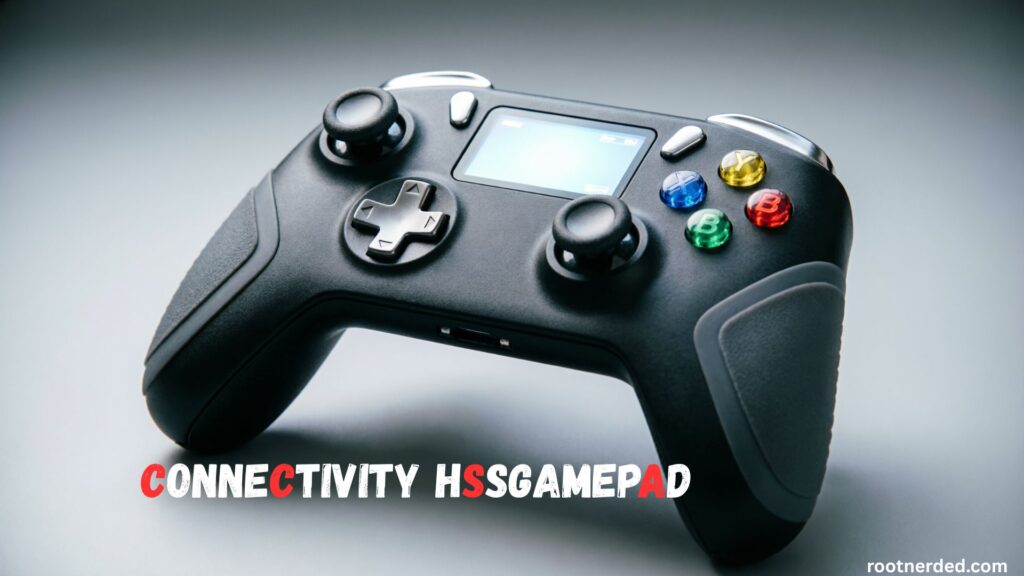
The term connectivity HSSGamepad refers to how your controller communicates with your device during gameplay.
It is not just Bluetooth or a cable. It is a full pipeline that carries your input from your thumb to the game engine.
Think of it like a highway:
- Your button press is a car
- The controller chip is the engine
- The wireless signal is the road
- Your console or PC is the destination
If one part slows down, everything suffers.
The hssgamepad connection depends on three key layers:
- Input processing inside the controller
- Signal transmission through Bluetooth, 2.4GHz, or USB
- Reception and interpretation by the game system
When people say “my controller is lagging,” they usually face connector hssgamepad issues somewhere in this chain.
Why Stable Connectivity Matters More Than You Think
Many gamers upgrade controllers but still face delays. That happens because they focus on hardware instead of connection quality.
A stable connectivity hssgamepad setup affects:
- Reaction time in FPS games
- Precision in racing games
- Combo timing in fighting games
- Movement accuracy in open-world games
Even a small delay of 100 milliseconds can decide a win or loss.
Real impact example
Imagine you press jump in a competitive shooter:
- Stable connection: jump happens instantly
- Unstable connection: jump triggers late and you get eliminated
That difference feels tiny. But in gaming terms, it is massive.
How Connectivity HSSGamepad Works Behind the Scenes
To fix problems, you need to understand the system.
Here is the real signal path:
- Button press activates micro-switch
- Controller firmware processes input
- Signal gets encoded
- Transmission happens via Bluetooth, USB, or 2.4GHz dongle
- Receiver decodes signal
- Game engine executes action
Each stage adds a small delay.
Latency comparison in real gaming environments
| Connection Type | Average Latency | Stability |
|---|---|---|
| Wired USB | 1–5 ms | Very High |
| 2.4GHz Wireless | 2–10 ms | High |
| Bluetooth | 80–250 ms | Medium to Low |
This is why serious players often prefer wired mode when using an hssgamepad controller.
Common Connectivity HSSGamepad Problems Gamers Face
Most connectivity issues hssgamepad fall into a few predictable categories.
Input Lag and Delay
This is the most frustrating issue.
Symptoms include:
- Delayed movement
- Late shooting response
- Sluggish camera rotation
Even a small lag feels like your character is “behind your hands.”
Random Disconnects
Your controller suddenly stops responding.
This often happens mid-match and creates panic.
Common signs:
- Controller disconnect beep
- Character freezing in place
- Reconnection delay
Pairing Conflicts
The system refuses to connect properly.
You might see:
- Device not found
- Controller stuck in pairing mode
- Multiple controller confusion
Signal Interference
Modern homes are crowded with wireless signals.
Common sources:
- Wi-Fi routers
- Smartphones
- Wireless headphones
- Smart TVs
These devices can disrupt connector hssgamepad signals easily.
Stuttering or Input Freezing
This feels like short bursts of lag.
- Movement freezes for a second
- Inputs skip frames
- Game feels “jerky”
Why Your HSSGamepad Connection Becomes Unstable
Now let us go deeper into root causes.
Wireless Interference Everywhere
The 2.4GHz band is overcrowded.
It is shared by:
- Wi-Fi networks
- Bluetooth devices
- Wireless peripherals
So your hssgamepad signal competes with everything around it.
Weak Battery Performance
Low battery reduces transmission strength.
Effects include:
- Shorter signal range
- Delayed response
- Random disconnects
A controller running at 10–15% battery often struggles with stable connectivity.
Distance Problems
Distance matters more than people think.
- Ideal range: within 2–3 meters for Bluetooth
- Beyond that: signal degradation starts
Walls and furniture make it worse.
Outdated Software or Firmware
Old firmware causes communication errors.
You may face:
- Pairing failures
- Lag spikes
- Inconsistent response timing
Background Device Overload
Too many connected devices reduce system bandwidth.
Example:
- Controller
- Headset
- Phone
- Keyboard
- Mouse
All sharing wireless channels creates congestion.
How to Fix Connectivity HSSGamepad for Smooth Gaming
Let’s move into practical solutions.
Keep Your Controller Fully Charged
Low battery equals weak signal.
Best practice:
- Charge before every long session
- Avoid playing below 20% battery
Re-Pair the Controller Properly
A clean reset solves many connectivity issues hssgamepad.
Steps:
- Remove device from Bluetooth list
- Restart controller
- Pair again from scratch
Update Firmware and Drivers
Updates fix hidden bugs.
Check for:
- Controller firmware updates
- System Bluetooth drivers
- Console updates
Reduce Wireless Interference
Simple environmental changes help a lot.
Try this:
- Move router away from gaming area
- Turn off unused Bluetooth devices
- Keep controller close to receiver
Switch Connection Mode
Different modes solve different problems:
- Bluetooth: casual play
- 2.4GHz dongle: balanced performance
- Wired USB: competitive gaming
Advanced Fixes for Better Connectivity HSSGamepad Performance
If basic fixes do not help, go deeper.
Clear Pairing History
Old connections cause confusion.
Remove:
- Old controllers
- Duplicate entries
- Ghost devices
Optimize System Power Settings
Power saving modes often throttle Bluetooth.
Fix it by:
- Disabling USB selective suspend
- Turning off aggressive battery optimization
Match Bluetooth Version Compatibility
Older Bluetooth versions increase lag.
Quick guide:
- Bluetooth 5.0+: best performance
- Bluetooth 4.x: moderate stability
- Below 4.x: high lag risk
Use Wired Mode for Competitive Gaming
Wired connection eliminates most issues.
Benefits:
- Zero interference
- Lowest latency
- Stable input flow
Optimize Physical Setup
Your environment matters.
Keep:
- Clear line of sight
- Minimal obstacles
- Short distance between devices
Table: Common Problems vs Real Causes vs Fixes
| Problem | Real Cause | Fix |
|---|---|---|
| Input lag | Wireless delay | Use wired or 2.4GHz dongle |
| Disconnects | Low battery | Recharge controller |
| Pairing issues | Old device memory | Reset Bluetooth list |
| Stuttering | Signal interference | Reduce nearby devices |
| No response | Firmware mismatch | Update software |
How Stable Connectivity Improves Gaming Performance
A strong connectivity hssgamepad setup transforms gameplay.
You get:
- Faster reaction times
- Cleaner input tracking
- More accurate movement
- Consistent performance under pressure
In competitive gaming, consistency matters more than peak skill.
Even professional players focus heavily on connection stability.
Pro Tips to Maintain Long-Term Stability
Small habits prevent big problems.
Try these:
- Restart controller weekly
- Keep firmware updated monthly
- Avoid overcharging overnight
- Store controller away from routers
- Use dedicated USB ports for dongles
These habits reduce long-term connectivity issues hssgamepad significantly.
Why Gamers Misdiagnose Connectivity Problems
Many players blame the wrong thing.
Common mistakes:
- Thinking controller is broken
- Blaming the game servers
- Assuming skill drop caused by lag
In reality, most issues come from:
- Wireless interference
- Power fluctuations
- Software mismatches
Understanding this saves time and frustration.
Case Study: Fixing a Laggy HSSGamepad Setup
A competitive FPS player reported severe delay issues.
Problem:
- Input lag of 150–200 ms
- Random disconnects during matches
Investigation:
- Controller battery at 12%
- Router placed next to console
- Bluetooth headset active simultaneously
Fix applied:
- Switched to wired USB
- Moved router 2 meters away
- Disabled unused Bluetooth devices
Result:
- Latency dropped below 10 ms
- No disconnects for 2 weeks
- Reaction time improved noticeably
This shows how environment matters more than hardware.
Quote from competitive gaming perspective
“Your aim is only as fast as your signal. If your connection hesitates, you already lost the fight.”
This reflects a core truth in modern gaming.
Frequently Asked Questions
Why does my HSSGamepad lag even when new?
Because new controllers still depend on environment, firmware, and signal quality.
Is wired always better than wireless?
Yes for competitive gaming. Wireless works fine for casual play.
Can Wi-Fi affect controller performance?
Yes. Especially 2.4GHz Wi-Fi networks close to your setup.
How often should I update firmware?
Once a month is ideal for stable hssgamepad performance.
Final Thoughts: Build a Connection That Never Fails You
Strong gaming performance does not start with expensive gear.
It starts with stable communication.
When you understand connectivity hssgamepad, you stop blaming random lag spikes and start fixing real causes.
Clean setup. Updated firmware. Controlled environment.
That combination turns a shaky controller into a reliable weapon.
In the end, the real win comes from mastering your connection, not just your hardware.